Apteco Mission's Clean and Considerate Communications pathway includes a quarterly preference check-in, an email and a form that ask which channels, and how often. The answers and corrections land back on the supporter record, so every journey in every team uses them. That is the part most surveys miss. So write your survey with that in mind. Show the details you already hold and ask donors to correct them: name, mailing address, email and mobile number. Then ask how they want to hear from you, how often, and about what.
Contact details. Open by thanking them as a supporter, then ask for a few minutes. Fill in what you have and ask: is this right? That is quicker than a blank form, and it catches small errors. Ask how they like their name written, and how to greet them in a letter. Ask for a mobile number only if you will text. Ask for an email, with a clear box for email news. In Canada, the anti-spam rules exempt a charity's message whose primary purpose is raising funds. Other email may not be covered, so a clear yes box helps.
Channels and how often. Ask which ways they want to hear from you: mail, email, phone or text. Ask how often: as things happen, monthly, a few times a year, or once a year. Split news from asks if you can. Some donors want every story but fewer appeals. Add boxes for the ways they don't want to be contacted, so a no is easy to give.
Topics and interests. Ask which parts of your work matter most to them, from a short list. Add boxes for what you could offer next: volunteering, events, monthly giving, information about gifts in wills, or a visit. Ask how they would like to be listed in your reports: by name, by another name, or not at all. Only ask what you will use. Each answer should change what they get from you.
Write each question well. Ask one thing per question. Pew Research Center warns that a question about two things at once is hard to answer and hard to read. Use plain words. Give answer choices that cover every reasonable answer and don't overlap. Pew advises keeping the list to four choices, or five at most. Start with an easy, interesting question and keep personal ones for later. Add one open question, like "What is one thing we could do better?"
Get it back. Send it by mail and by email, with a reply envelope and a short link. Say how long it takes. A personal touch can help. In one study, a handwritten sticky note on a survey raised replies to 76%, from 36% without it. Thank everyone who replies.
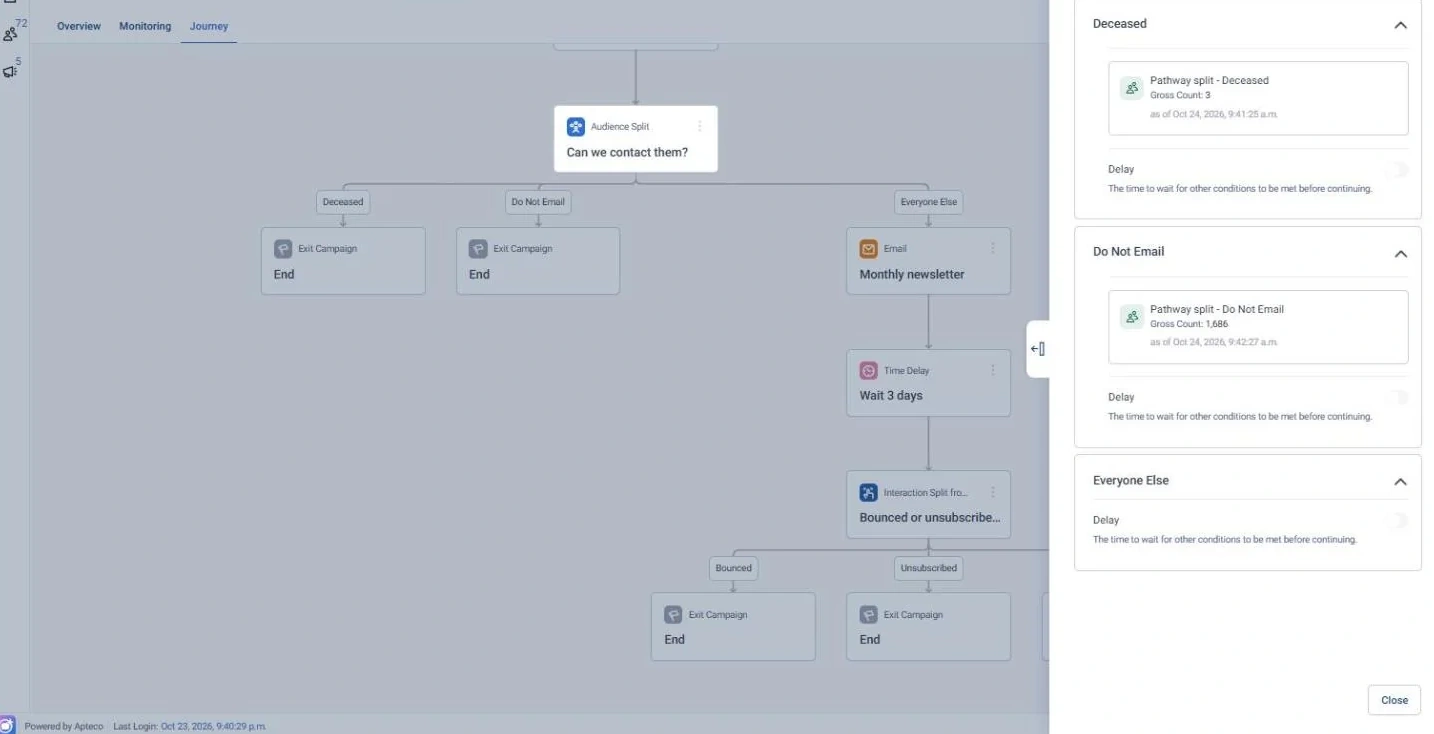
Act on every answer. Enter changes within a week or two, and keep the date they told you. Turn off the channels they declined in every system that sends messages, not just the CRM. If they asked for fewer appeals, mark it so the next appeal list respects it. Answers left in a spreadsheet tell the donor you didn't listen. In Mission, an audience split removes deceased, opted-out and do-not-contact supporters before anything goes out (pathway).